Food from your own land, grown for you.
I set up vegetable gardens on people's property and run them through the season: beds, seed starts, planting, weeding, watering, harvest. You eat from it. Nothing comes in a bag; the soil is built from what the land already makes.
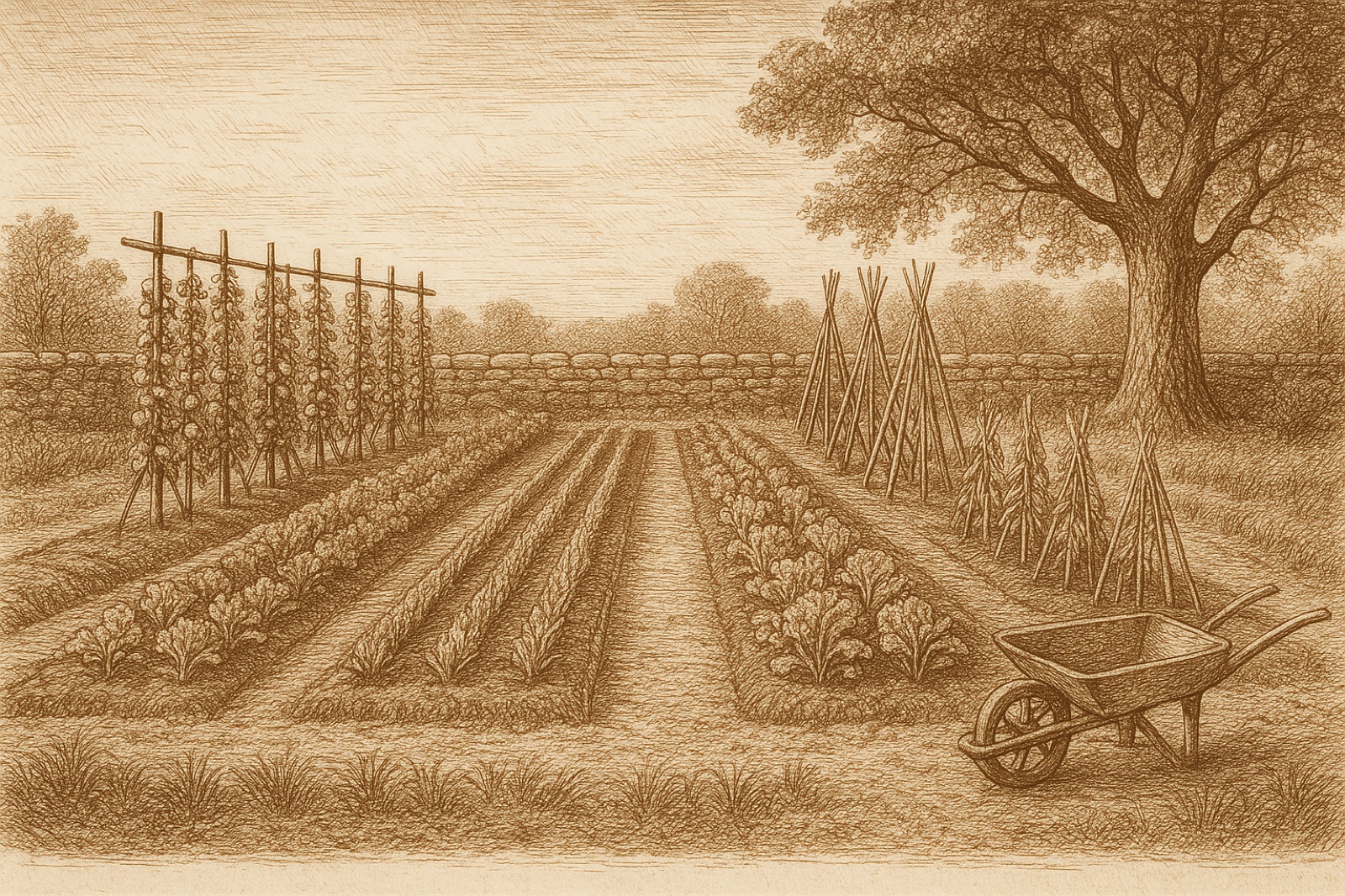
A garden that feeds the house, and gets better every year.
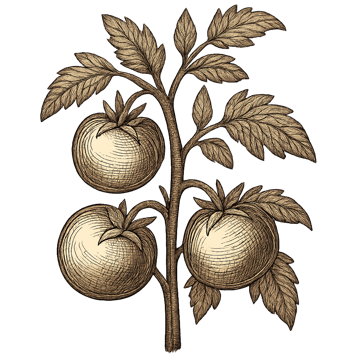
The staples, in succession
Forty crops on the 2026 list, from April radishes to November kale. Tomatoes, garlic, beans, greens, roots, squash, herbs. Sown in succession so something is always coming in.
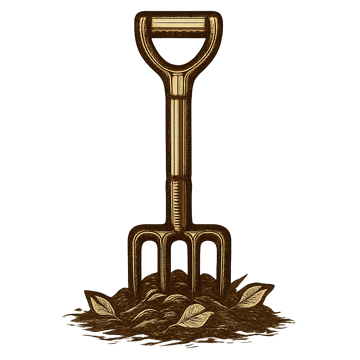
Soil built on site
Cover crops, green manure, and compost made from your own leaves and cutbacks. No fertilizer, no purchased amendments. Each season starts richer than the last.
Starts grown here, not bought
Every plant starts under lights in late winter from a 450-packet seed library, or from seed saved the summer before. No nursery stock, so no pests ride in with it, and every plant has a known history.
From a conversation to a basket by the door.
- 01
Conversation
What you want to eat, how much room there is, who waters when I'm not there.
- 02
Site visit
Sun, soil, water, deer. A bed plan and one number for the season, within the week.
- 03
Setup
Beds built or reclaimed, compost started, a cover crop the first fall, fencing if the deer say so.
- 04
The season
Regular visits from March starts to October garlic. Harvest goes in the basket by the door with a note on what's next.
The portfolio garden
Fourteen permanent raised beds on Abbott Hill in Wilton, planted for the 2026 season and run on the same method: no inputs, succession planting, cover crops over winter. Two farmers who have worked that hill for years advise on timing, which matters more than any book in a zone 5b spring.
The seed library behind it is tracked in an app I built for the job: what's on hand, what germinated in the January tests, what each crop needs and when.